Flu Vaccination
Stay ahead of flu season. Book your vaccination today — in and out in 10 minutes, subsidised for most Singaporeans.

CHAS subsidies available

No long waiting times

Walk-ins welcome. Evening & weekend appointments available

Most Singaporeans pay $45 or less
As a CHAS-accredited clinic under the National Immunisation Schedules, your flu vaccination is heavily subsidised.
Who You Are | What You Pay |
|---|---|
Babies & Toddlers | Fully subsidised |
Pioneer Generation Seniors | $9 |
Merdeka Generation Seniors | $18 |
CHAS Blue / CHAS Orange | $18 |
Green | $35 |
Healthier SG enrolee | $0 |
Without any subsidy | $45 |
All prices shown are after subsidy and include consultation, vaccination, and administration.
Eligible Singapore Citizens and Permanent Residents can claim MediSave for flu vaccination costs. If you're in a high-risk group, you can claim up to $500 or $700 per year depending on your eligibility.

Who should get vaccinated
According to Singapore's National Adult and Childhood Immunisation Schedules, anyone can benefit from flu vaccination. But if you fall into any of these groups, annual vaccination is particularly important to reduce your risk of serious complications.

Young children (6 months to under 5 years)
Children in this age group are more vulnerable to flu complications and frequently exposed in childcare settings.

Seniors (65 years and older)
Risk of serious complications increases with age. Most seniors qualify for fully subsidised vaccination.

Pregnant women (any trimester)
Recommended throughout pregnancy to protect both mother and baby.
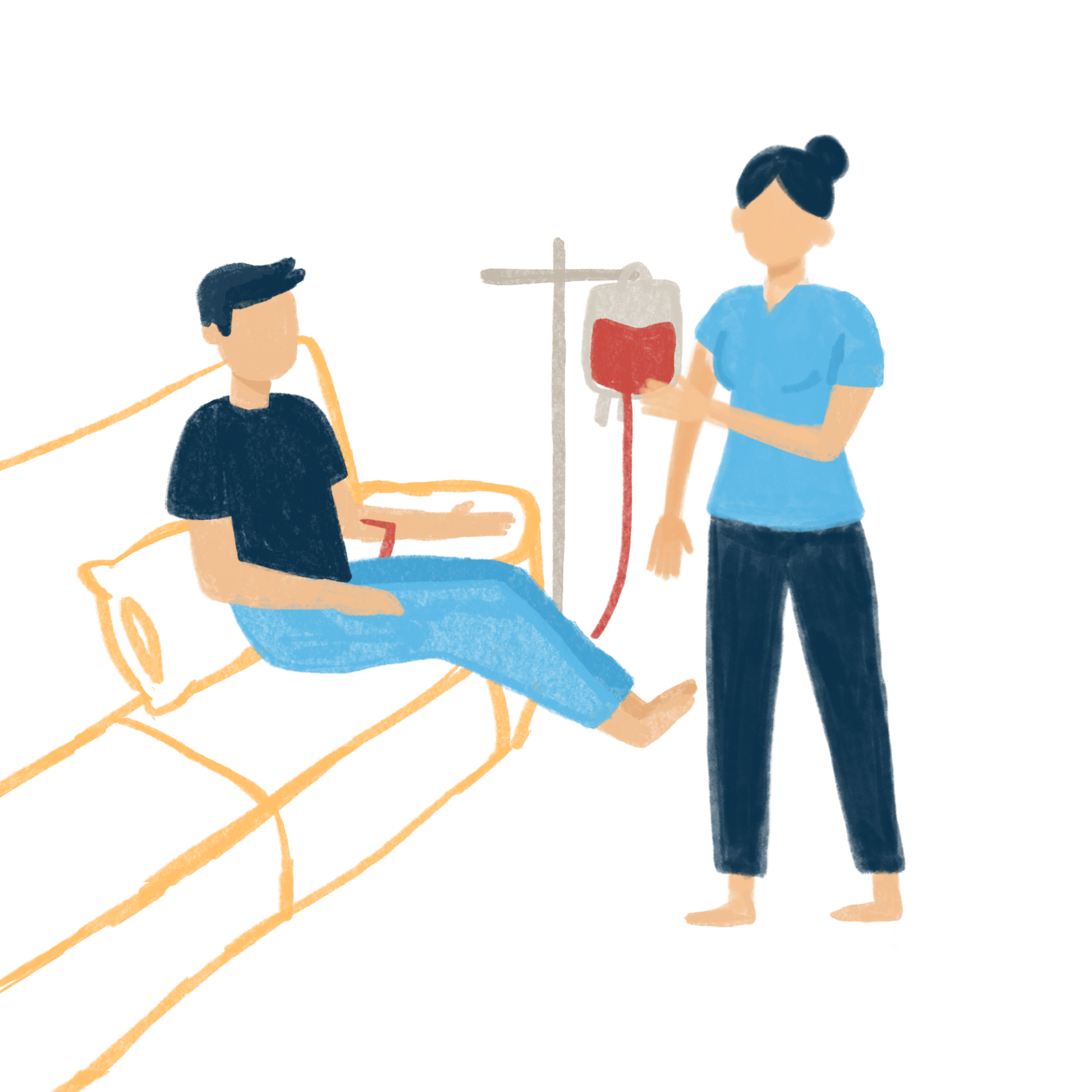
People with chronic conditions
This includes diabetes, heart/lung/liver/kidney disease, or other long-term health conditions.

Immunocompromised individuals
If you have conditions like leukaemia, HIV, organ transplant, or spleen removal — or if you're taking long-term steroids, certain cancer drugs, or receiving radiation therapy.

Long-term care residents
Those staying in intermediate or long-term care facilities should receive annual vaccination.
Also recommended for
Even if you're not in a high-risk group, vaccination makes sense if you:

Work in close-contact environments
Teachers, healthcare workers, customer-facing roles etc

Travel frequently
Airports and crowded spaces increase exposure

Care for vulnerable family members
Protect those who depend on you
The whole process, start to finish
No surprises, no waiting around. Here's exactly what happens when you book your flu vaccination with us.

Step 1: Book your appointment
Choose a time that works for you (including evenings and weekends).

Step 2: Your visit
- Just bring your NRIC or identity document. We'll verify your subsidy eligibility when you arrive.
- When you arrive, we'll confirm your details and subsidy tier.
- Your doctor will then review your health history and answer any questions you have. There's no rush. The vaccination itself is a quick injection in your upper arm, over in seconds.
- Afterwards, we'll ask you to wait about 5 minutes for standard precautionary observation.

Step 3: After you leave
- Your vaccination is logged directly to HealthHub automatically, there's nothing for you to do.
- Most people feel completely fine afterwards. Some experience mild soreness at the injection site, slight fatigue, or a low-grade temperature for a day or two — these are normal signs your immune system is responding. If you have any concerns, you can reach our clinic anytime.
Frequently asked questions
Vaccine Information
There are three major brands of influenza vaccine available: Vaxigrip Tetra (Sanofi), Fluarix Tetra (GSK), and Influvac Tetra (Abbott). These are all quadrivalent vaccines, meaning they cover four strains of the virus, which is why they carry the name "Tetra."
Vaccine Necessity
Even healthy people can catch the flu. The vaccine helps your body build protection so if you do get it, symptoms are milder and recovery is faster.
Twice a year is best, especially since flu strains change over time. It’s a quick habit that keeps your protection simple and consistent.
Polyclinics are fine, though they can be busy. Our clinics offer the same MOH‑approved vaccine, shorter waits, the same subsidy, and more flexible booking options.
Safety & Side Effects
That’s a common concern. The vaccine cannot cause flu because it doesn’t contain live virus. Some people feel mild soreness or light tiredness; that’s your body building protection. It usually passes within a day or two.
Absolutely. It’s recommended by MOH under NCIS (for kids) and NAIS (for adults and seniors).
That can happen and usually means your body is responding. The fever or aching is short‑lived and not dangerous. Paracetamol and rest usually settle it quickly.
For most people, yes. Our doctor will review your medical history first. If any vaccine should be spaced out, we’ll advise clearly before proceeding.
Cost & Payment
Yes, it covers both the doctor’s consultation and the vaccine.
MediSave can be used to cover the cost of the flu vaccine either partially or in full. Do call us to check your eligibility!
Subsidies are available for the following groups at CHAS GP clinics: - Seniors: Singapore Citizens aged 65 and above, under the National Adult Immunisation Schedule (NAIS). - Adults with Medical Conditions: Singapore Citizens aged 18 to 64 with specific chronic conditions. - Children: Eligible children aged 6 to 59 months and those in high-risk groups receive free vaccinations under the National Childhood Immunisation Schedule (NCIS). Please refer to the MOH webpage for full eligibility details.
No, you can still get vaccinated anytime. If you’re eligible, we can enrol you easily during your visit so you enjoy the full subsidies.
Appointments & Scheduling
From registration to injection, most visits take about 5 to 15 minutes. You can even get it done during your lunch break or right after work.
Yes, we do. We know that you're busy. That's why we've extended our hours to include evenings and weekends.